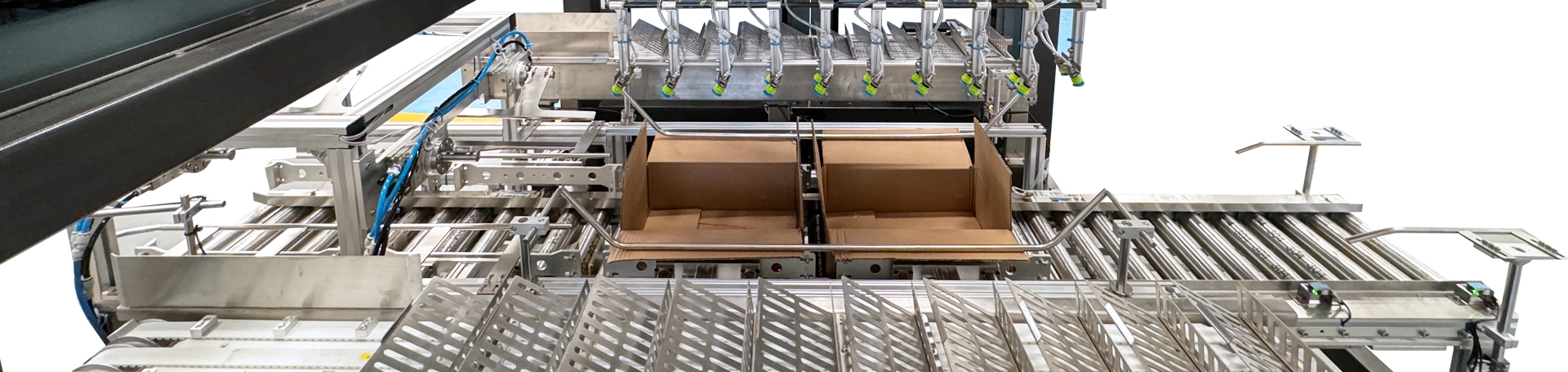
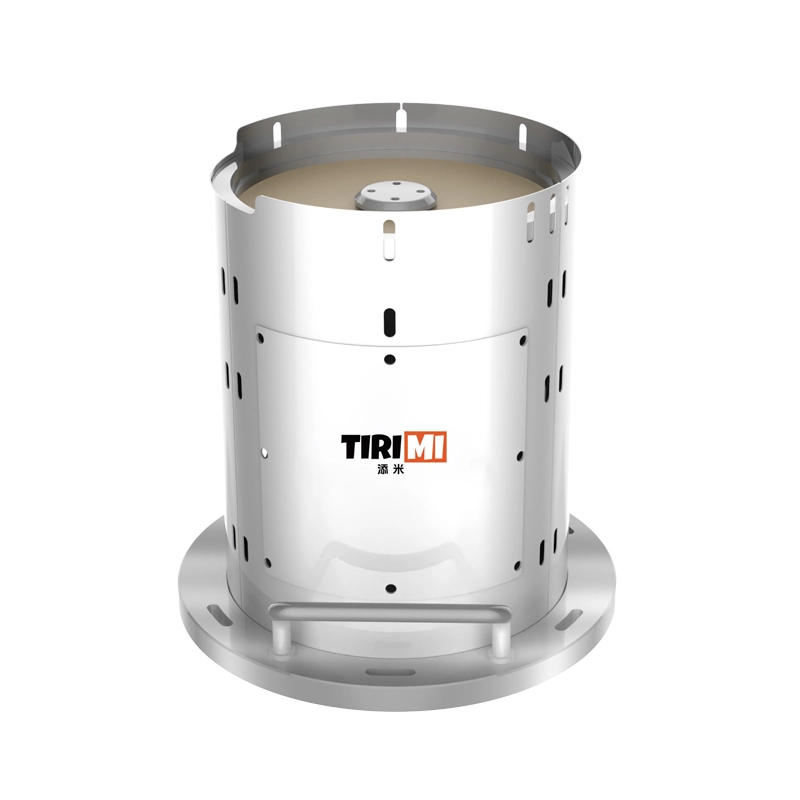
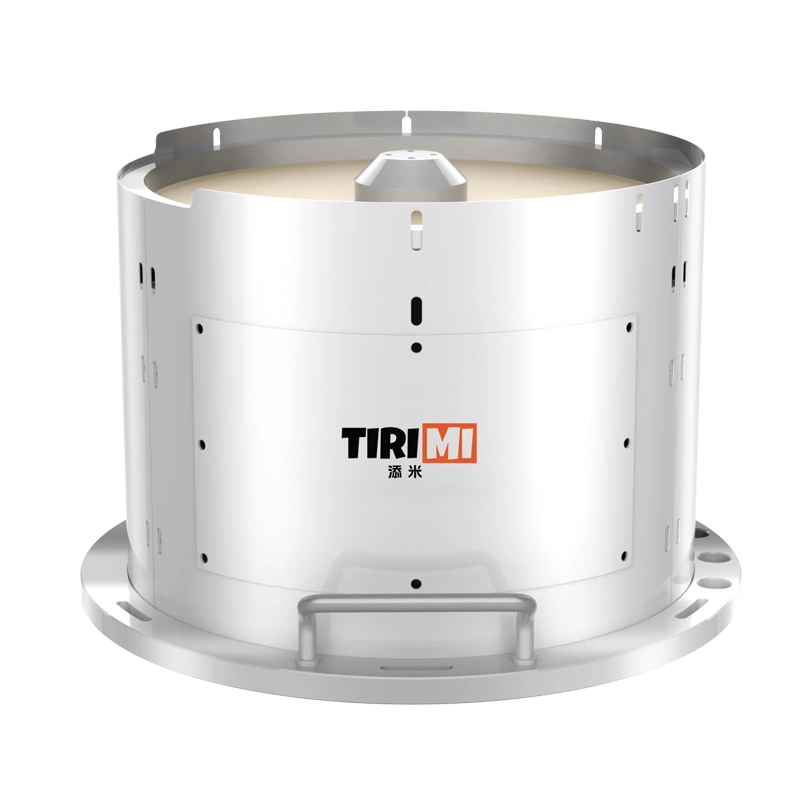
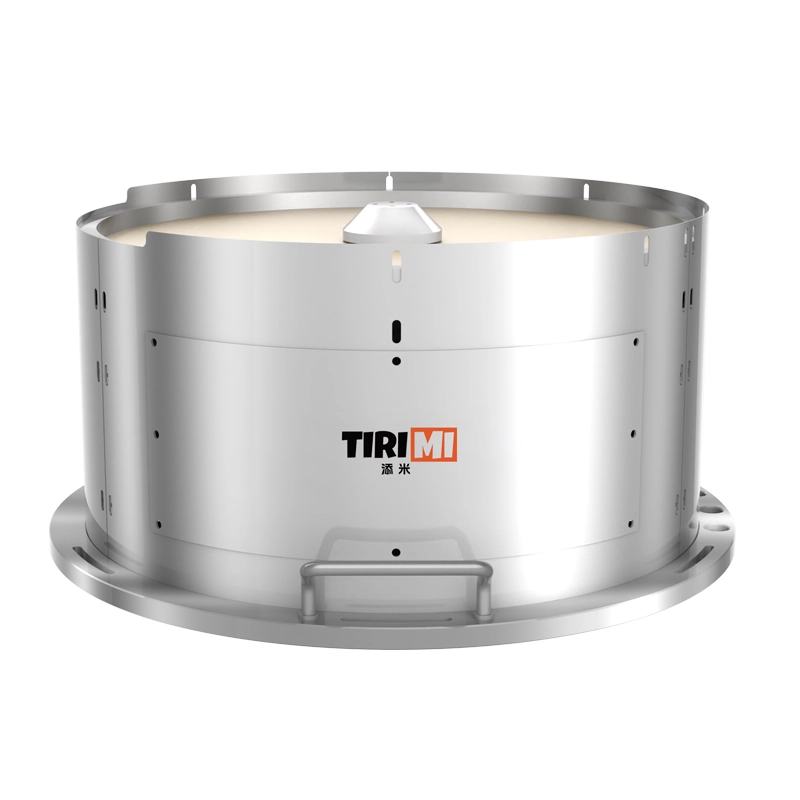
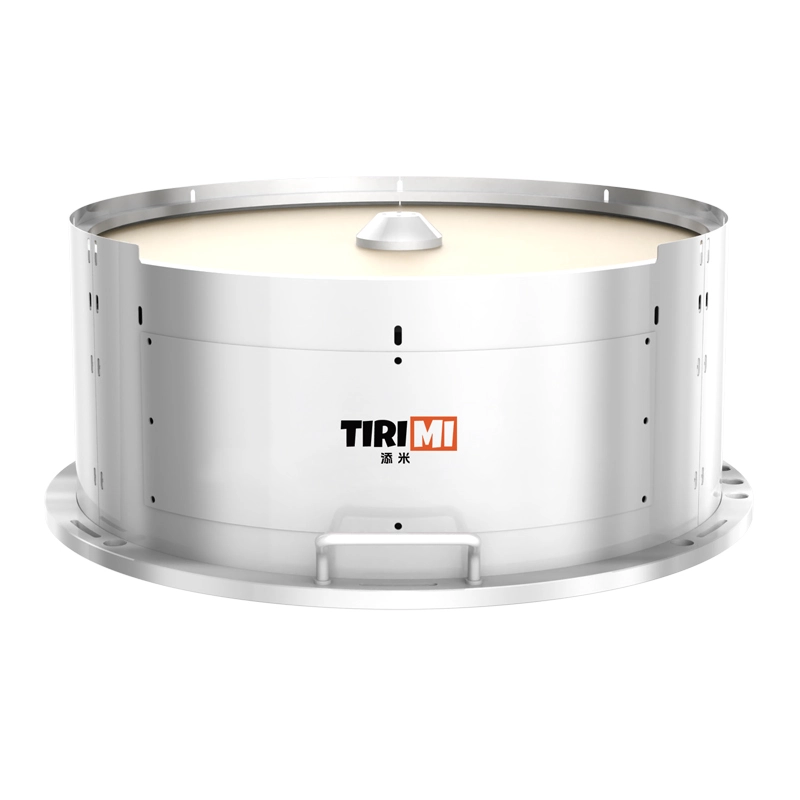
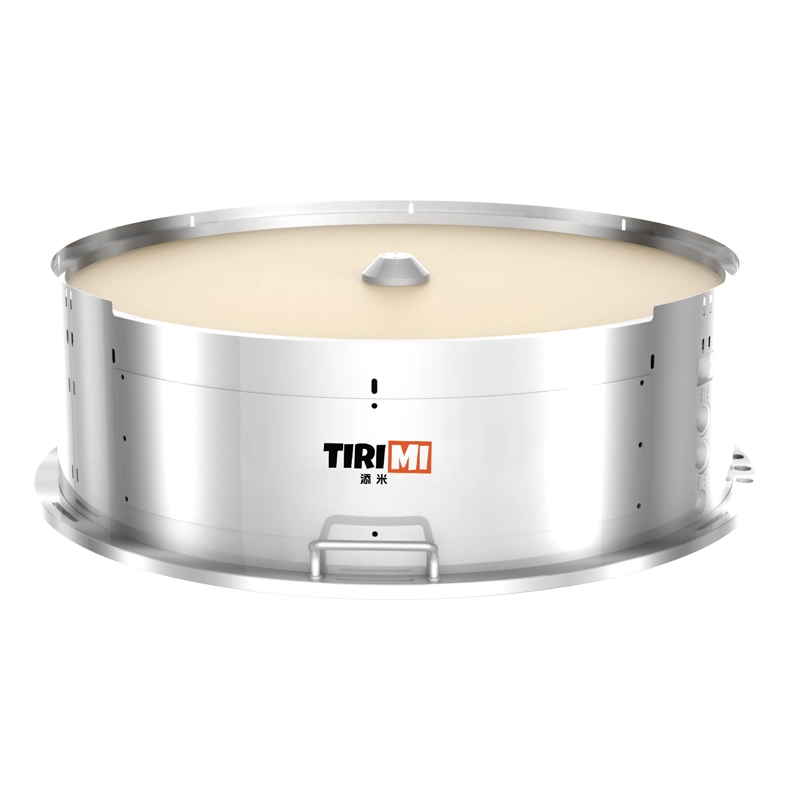
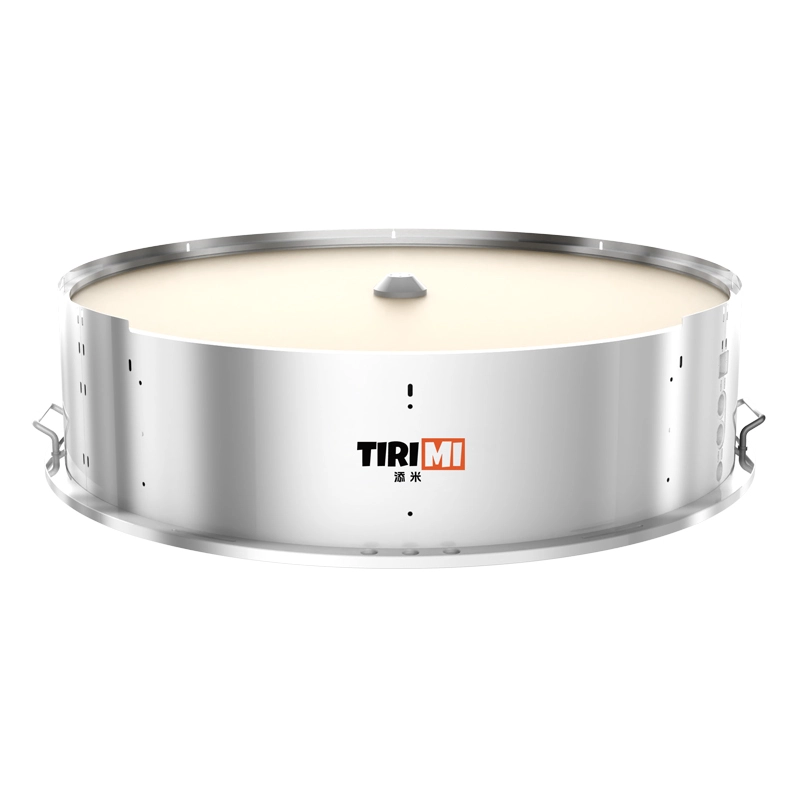
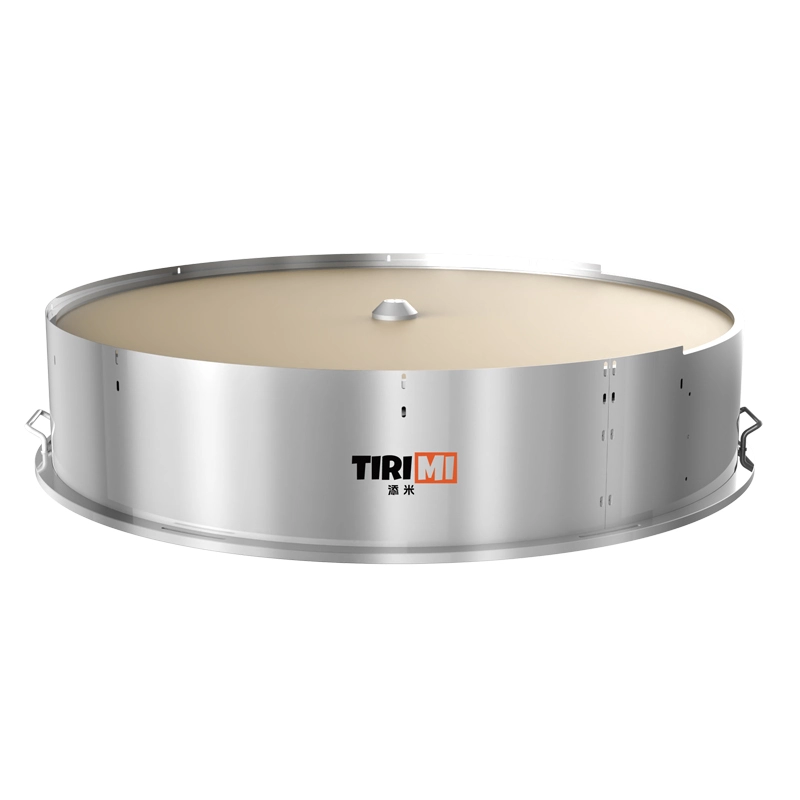
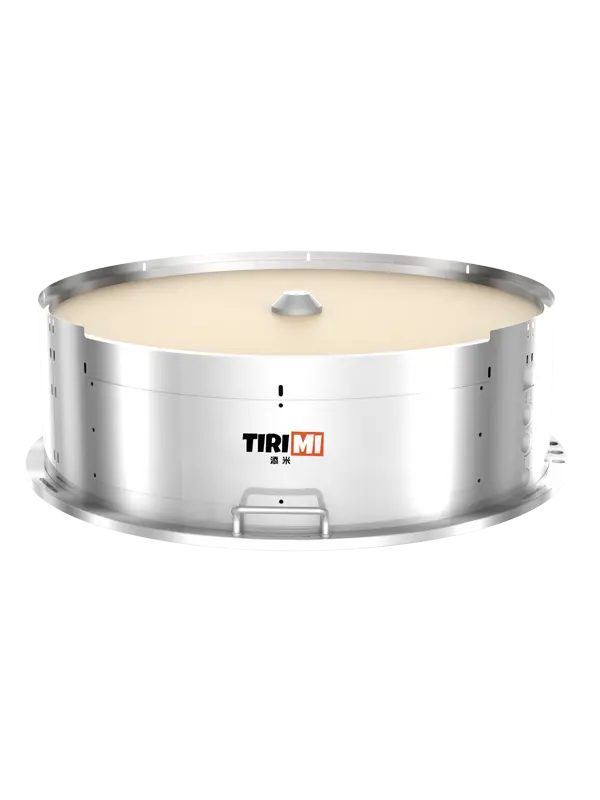
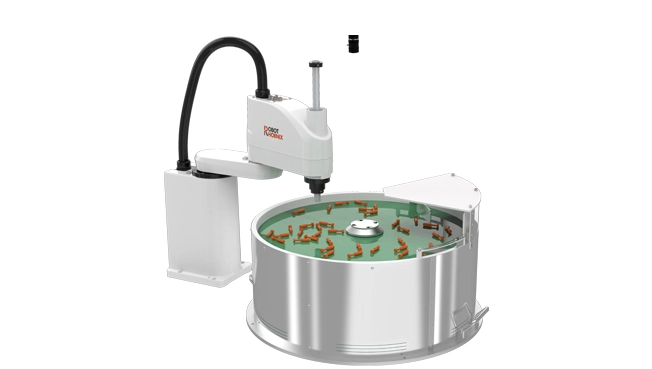
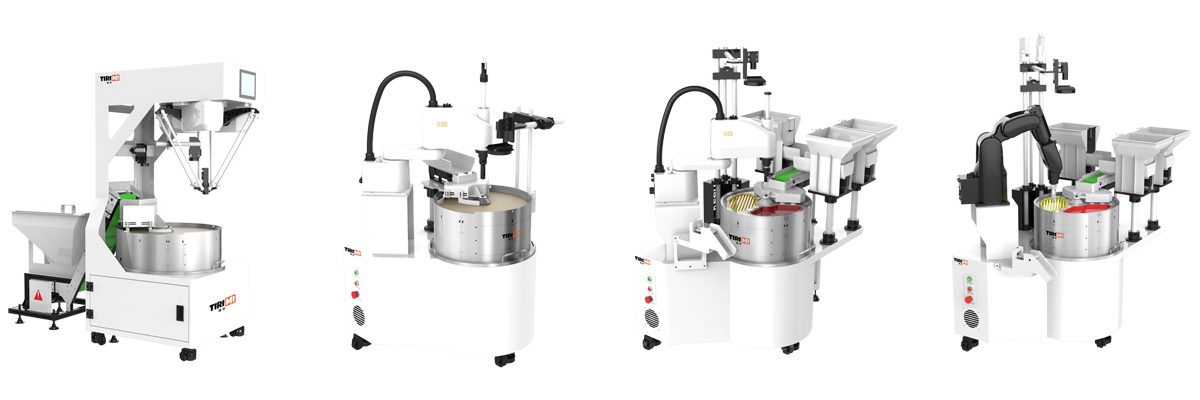
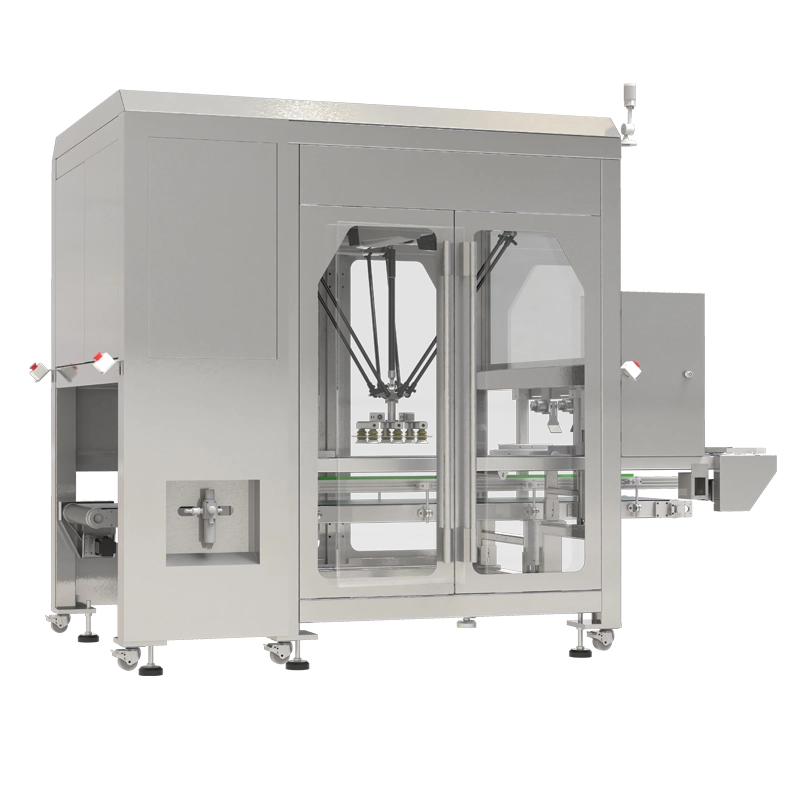
The Tirimi flexible feeding system offers a range of models from small to extra-large sizes (TiFL-200 to TiFL-1200), providing efficient and intelligent parts feeding solutions for automated production lines. Each product incorporates advanced vibration and rotation feeding technology combined with an intelligent control system, enabling quick changeovers, precise sorting, and flexible adaptation to parts of various shapes, materials, and weights. Leading vibratory bowl feeder companies trust Tirimi for quality and reliability. Whether you are looking for a vibratory bowl feeder for sale from reliable vibratory feeder bowl manufacturers or comparing vibratory bowl feeder price, our range ensures options that fit different production needs and budgets.
The series features a modular platform structure compatible with various industrial robots and vision inspection equipment, making it widely applicable across industries such as 3C electronics, automotive manufacturing, medical devices, heavy industry, and consumer goods. The Tirimi flexible part feeder helps businesses enhance production efficiency, reduce labor costs, and achieve flexible and intelligent upgrades for production lines, making it an ideal choice for modern manufacturing's transition toward flexible manufacturing and automation.

Customizable at Will, Flexible in Skill. The flexible feeding machine is a flexible part supply system, typically used in conjunction with vision inspection and robotic arms. Tasks are completed collaboratively, enabling flexible loading and sorting, thus achieving rapid part changeover and production flow. It is suitable for industrial applications that require quick changeovers and frequent material handling.
Faster Changeover and Adaptability
Flexible Vibration Platforms enable rapid switching between different part types without mechanical redesign or tool changes. Traditional feeding systems often require custom bowls or fixtures for each product, leading to longer setup times and reduced production flexibility.
Reduced Mechanical Complexity
Unlike traditional bowl feeders that rely on intricate mechanical parts to orient products, pneumatic vibratory screw feeder bowls use programmable vibration patterns combined with sensor feedback, minimizing mechanical wear and simplifying maintenance.
Enhanced Integration with Automation
Vibratory bowl screw feeder easily integrate with robotic arms, vision systems, and smart controllers, enabling smarter, real-time part handling. Traditional systems are less compatible with Industry 4.0 requirements due to their rigid mechanical designs and limited adaptability.
Payload Capacity
Assess the maximum weight and size of parts to ensure the vibratory bowl machine can handle your production demands without compromising speed or accuracy.
Vibration Modes and Adjustability
Look for platforms offering multiple vibration patterns and adjustable frequency/amplitude to accommodate diverse part shapes and materials.
Integration Compatibility
Ensure the platform supports seamless communication with your existing automation systems, such as PLCs, robotic arms, and vision sensors.
Ease of Maintenance
Choose designs with modular components and easy access for cleaning and repairs to minimize downtime and maintenance costs.
Scalability and Flexibility
Opt for systems that can adapt to future product changes or line expansions without significant hardware modifications.

|
|
|
|
|
|
|
|