Create Time: 05 ,13 ,2026
In today's competitive manufacturing environment, companies are constantly looking for ways to optimize their production processes. One of the most significant advancements in packaging technology is the implementation of robotic packing machines. These machines, such as the packing workstation from Tirimi, are transforming production lines by offering unparalleled precision, speed, and efficiency. By automating the packing process, manufacturers can achieve greater consistency, reduce labor costs, and increase overall productivity. This article explores the benefits of implementing robotic packing machines in your production line and how they can help you maximize efficiency.
What is a Robotic Packing Machine?
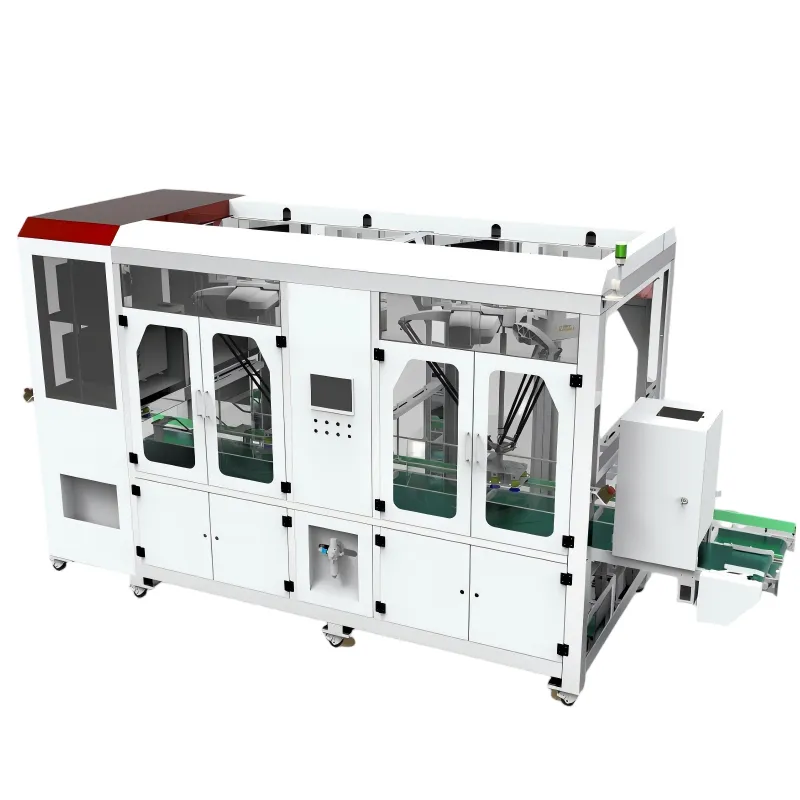
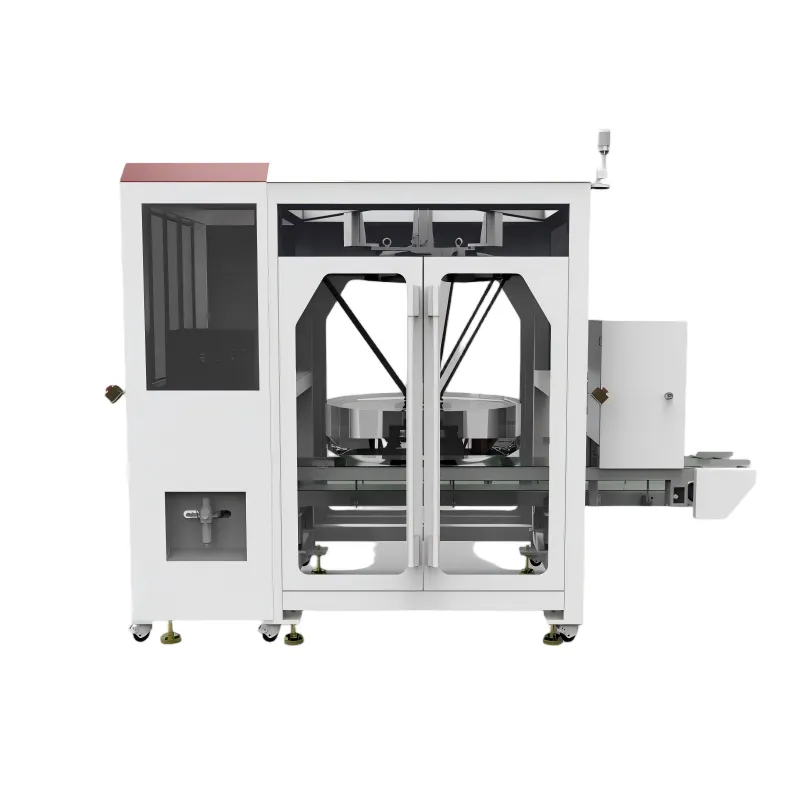
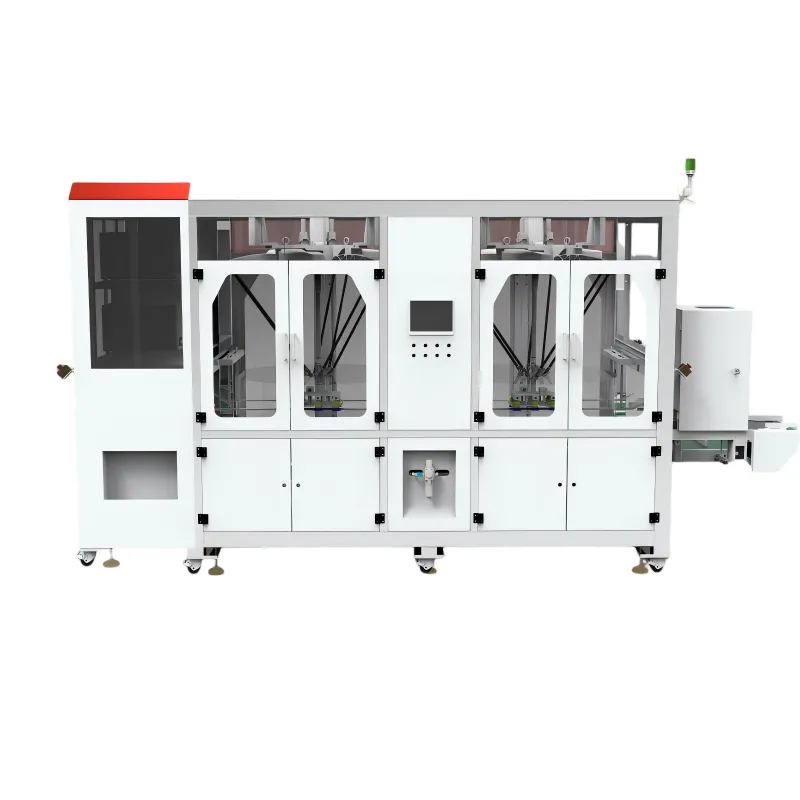
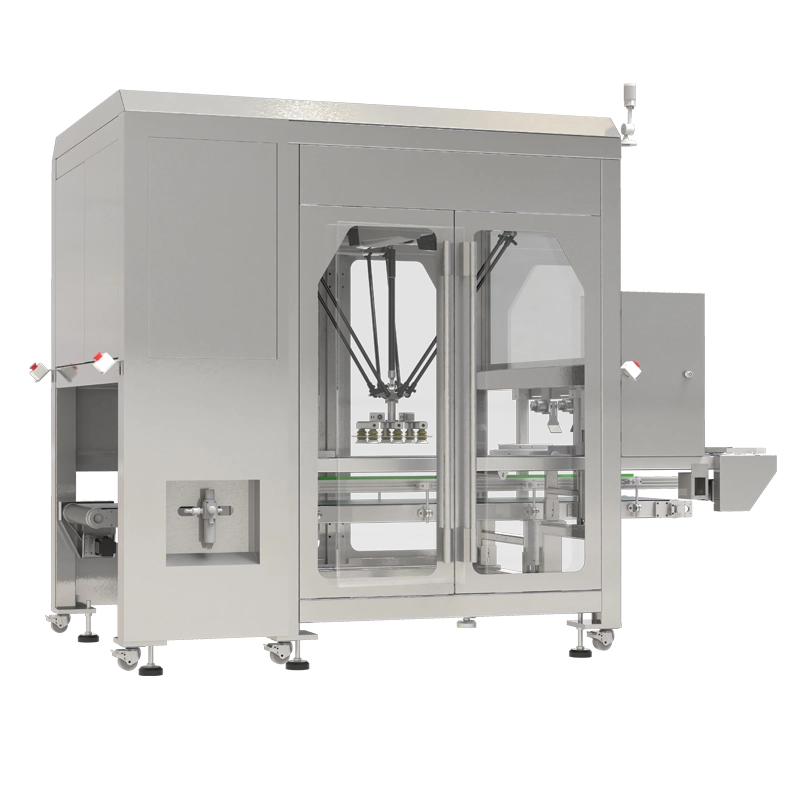
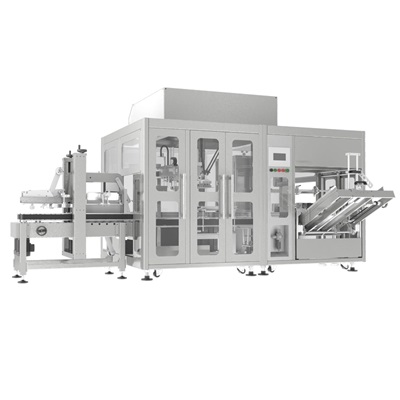
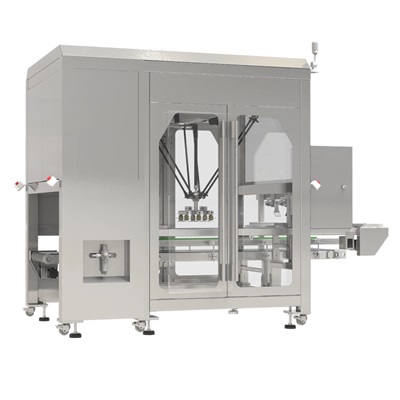
A robotic packing machine is an automated system designed to handle the complex task of packing products into boxes, containers, or pallets. These machines utilize robotic arms and sophisticated software to pick, place, and package items with high speed and accuracy. The packing workstation offered by Tirimi integrates advanced robotic technology with an easy-to-use interface, ensuring seamless operations for manufacturers. By incorporating robotic packing machines into the production line, businesses can significantly improve their packaging speed while maintaining a high level of precision.
How Robotic Packing Machines Enhance Production Line Efficiency
One of the primary advantages of robotic packing machines is their ability to streamline the packaging process, leading to significant improvements in production line efficiency. These machines operate continuously, without the need for breaks or downtime, unlike human workers who require rest periods. As a result, manufacturers can maintain a consistent and high throughput, ensuring that production demands are met without delays. The robotic packing machine from Tirimi is designed for high-speed operation, capable of packing products quickly and efficiently, allowing businesses to achieve higher production volumes with less time and effort.
The Role of Robotic Packing Machines in Reducing Human Error
Another key benefit of implementing robotic packing machines is the reduction of human error. Manual packing processes are prone to inconsistencies, such as incorrect product placement or damaged goods due to mishandling. By automating the packing process, robotic packing machines ensure that products are packed consistently, with precise placement and minimal risk of damage. The packing workstation from Tirimi is equipped with advanced sensors and vision systems that help identify products, ensuring that each item is correctly positioned in the packaging. This level of accuracy minimizes the likelihood of errors, improving the quality of the final product and reducing the need for rework.
Robotic Packing Machines vs. Traditional Manual Packing Systems
When comparing robotic packing machines to traditional manual packing systems, the differences in speed, precision, and reliability become evident. While manual packing relies heavily on human labor, which can be slow and prone to mistakes, robotic packing machines are designed to work at high speeds with consistent precision. The table below highlights the key differences between robotic and manual packing systems:
Feature | Robotic Packing Machine | Traditional Manual Packing System |
Speed | High-speed operation, capable of packing large volumes in a short time. | Slower, as human workers take breaks and may work at varying speeds. |
Precision | High precision, reduces errors in product placement and packaging. | Prone to errors such as misalignment or improper handling of products. |
Consistency | Delivers consistent results with minimal variation. | Inconsistent due to human factors, leading to product variation. |
Labor Dependence | Fully automated, reducing reliance on manual labor. | Requires a significant amount of human labor, increasing costs and risk. |
Flexibility | Easily adaptable to different product types and packaging formats. | Limited flexibility, often requiring manual adjustments for different products. |
The Future of Robotic Packing Machines in Packaging Lines
The future of packaging is increasingly driven by automation, and robotic packing machines are at the forefront of this transformation. As technology continues to evolve, these machines are becoming more advanced, with improved capabilities for handling a wider variety of products and packaging types. For instance, robotic packing machines are now able to pack products of various shapes, sizes, and weights, providing greater flexibility for manufacturers with diverse product lines. The integration of AI and machine learning in robotic systems also promises further improvements in accuracy and efficiency, allowing machines to optimize their operations over time. The packing workstation from Tirimi exemplifies how advanced robotic solutions can adapt to evolving production needs, ensuring that manufacturers remain competitive in the ever-changing marketplace.
Conclusion
Implementing robotic packing machines in your production line can provide significant benefits, including improved efficiency, reduced human error, and enhanced flexibility. By automating the packing process, manufacturers can achieve faster production cycles, greater accuracy, and a more streamlined workflow. The robotic packing machines from Tirimi are designed to meet the demands of modern production lines, offering a high-performance solution for businesses looking to stay ahead in a competitive market. As automation continues to play a crucial role in manufacturing, robotic packing machines will remain an essential tool for maximizing efficiency and ensuring the long-term success of production operations.
References:
Automation World - The Role of Robotics in Manufacturing
Robotics Online - Advancements in Robotic Packing Systems
Packaging Strategies - How Automation is Changing Packaging


 English
  中文
中文