Create Time: 05 ,11 ,2026
In the fast-paced world of manufacturing, automation has become an essential component in optimizing production efficiency and precision. One of the most significant advancements in this area is the development of flexible part feeders. These feeders have revolutionized the way components are delivered and sorted in automated systems, offering a versatile solution for industries with diverse production needs. Flexible part feeders, such as those offered by Tirimi, are at the forefront of this technology, providing manufacturers with a reliable, adaptive solution to streamline their assembly lines.
What is a Flexible Part Feeder?
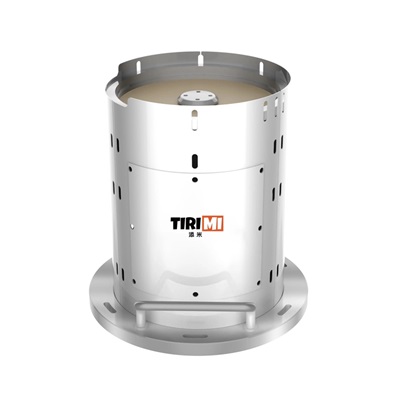
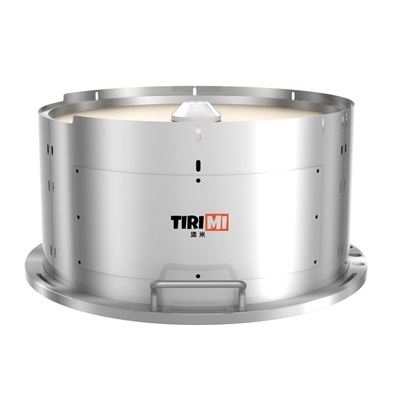
A flexible part feeder is an automated system designed to handle and sort various parts in a production line. Unlike traditional vibratory bowl feeders that are typically set up for specific part types and sizes, flexible part feeders are versatile and capable of handling a wide variety of components with different shapes, sizes, and materials. This adaptability makes them particularly useful in industries where production demands change frequently or where components vary greatly in form and function. The flexible vibratory bowl feeder from Tirimi exemplifies how flexibility in feeding technology can meet the diverse needs of modern manufacturing.
How Flexible Part Feeders Improve Production Efficiency
The flexibility of these feeders is not only in their ability to handle various part types but also in how they contribute to the overall efficiency of the production process. Flexible part feeders can adapt to different parts on the fly, reducing downtime between changes and minimizing the need for manual reconfiguration. For example, Tirimi's vibratory bowl feeders are engineered to quickly adjust to different component shapes and sizes without requiring substantial changes in the system. This means manufacturers can keep their production lines running smoothly, even when the parts they need to feed change frequently or are custom-designed. The ability to accommodate a wide range of parts without needing major adjustments significantly increases overall production efficiency and reduces labor costs associated with manual refeeding.
Flexible Part Feeder vs. Traditional Part Feeders
One of the most significant advantages of a flexible part feeder over traditional feeders is its versatility. Traditional vibratory bowl feeders, while effective for certain applications, are often designed for a specific type of part or material. This results in limited functionality when production requirements change or when manufacturers need to work with a variety of parts. Flexible feeders, on the other hand, are designed with adaptability in mind, enabling them to quickly adjust to new production requirements without the need for specialized equipment.
Feature | Flexible Part Feeder | Traditional Part Feeder |
Adaptability | Can handle a wide variety of part sizes, shapes, and materials. | Limited to specific part types and materials. |
Setup Time | Quick changeover between different parts. | Requires more time to adjust to new parts. |
Maintenance | Lower maintenance due to flexible design. | Higher maintenance needs with fixed setups. |
Operational Flexibility | High flexibility in part feeding. | Low flexibility; often requires complete system change for different parts. |
Applications of Flexible Part Feeders in Different Industries
The ability of flexible part feeders to handle a broad spectrum of parts makes them ideal for several industries, including electronics, automotive, and medical device manufacturing. In the electronics industry, where small, delicate parts are common, flexible feeders can manage components such as capacitors, resistors, and connectors. In automotive manufacturing, flexible feeders can handle a range of bolts, screws, and fasteners, ensuring that the assembly line runs continuously without delays. Similarly, in the medical device industry, where precision and cleanliness are crucial, flexible feeders can easily adapt to different medical components, such as syringes and vials, ensuring they are fed into production systems without contamination or misalignment.
The Benefits of Flexible Part Feeders for Quality Control
In addition to enhancing operational efficiency, flexible part feeders also play a vital role in ensuring high-quality production standards. The precision with which these feeders deliver parts helps to reduce the chances of errors or defects in the final product. Tirimi's vibratory bowl feeders, for example, are designed with a focus on accuracy, ensuring that parts are delivered to the next stage of production with minimal variation in positioning and orientation. This level of precision is particularly important in industries where even the slightest misalignment can lead to product defects, such as in the assembly of high-tech electronic components or medical devices.
Conclusion
As industries face increasingly dynamic production environments, the need for flexible part feeders continues to grow. The ability to handle a wide variety of components efficiently and accurately makes them an indispensable tool for modern manufacturing systems. Whether in electronics, automotive, or medical device production, these feeders offer a versatile solution to meet the ever-changing demands of automated production lines. With their ability to adapt quickly to different part types and sizes, flexible part feeders are setting the standard for the future of automated manufacturing.
References:
Automation World - Understanding the Basics of Part Feeding Systems
Manufacturing.net - How Automation Improves Efficiency in Manufacturing
The Engineering Toolbox - Automated Production Systems


 English
  中文
中文